Source : Trade Shows
Release Date : 2026-10-24
The global pet industry maintains robust growth momentum in 2026, and the cat toy sector is stepping into a new growth stage. Latest statistics from Future Market Insights indicate that the global pet toy market is worth USD 4.7 billion in 2026, and is forecast to hit USD 9.3 billion by 2036, with a compound annual growth rate (CAGR) of 6.9%. Cat toys make up over 40% of the market and rank among its fastest-growing categories.
Backed by a complete supply chain, mature manufacturing capacity and agile product innovation, China has emerged as a key global supplier of cat toys, exporting to over 150 countries and regions covering North America, Europe, Southeast Asia, the Middle East and South America.
Elevated consumer demands and the prevailing trend of regarding pets as family members are driving the evolution of cat toy design. While early cat toys only provided simple fun, modern buyers prioritize safety, durability, mental enrichment, interactivity and home-space adaptability.
Figures reveal that China’s urban pet market scaled up to RMB 312.6 billion in 2025, with expenditure on cat toys rising 18.5% year-on-year. Post-90s pet owners (including the post-1995 generation) represent over 60% of the consumer base, and they are ready to pay extra for premium, value-added cat toy products.
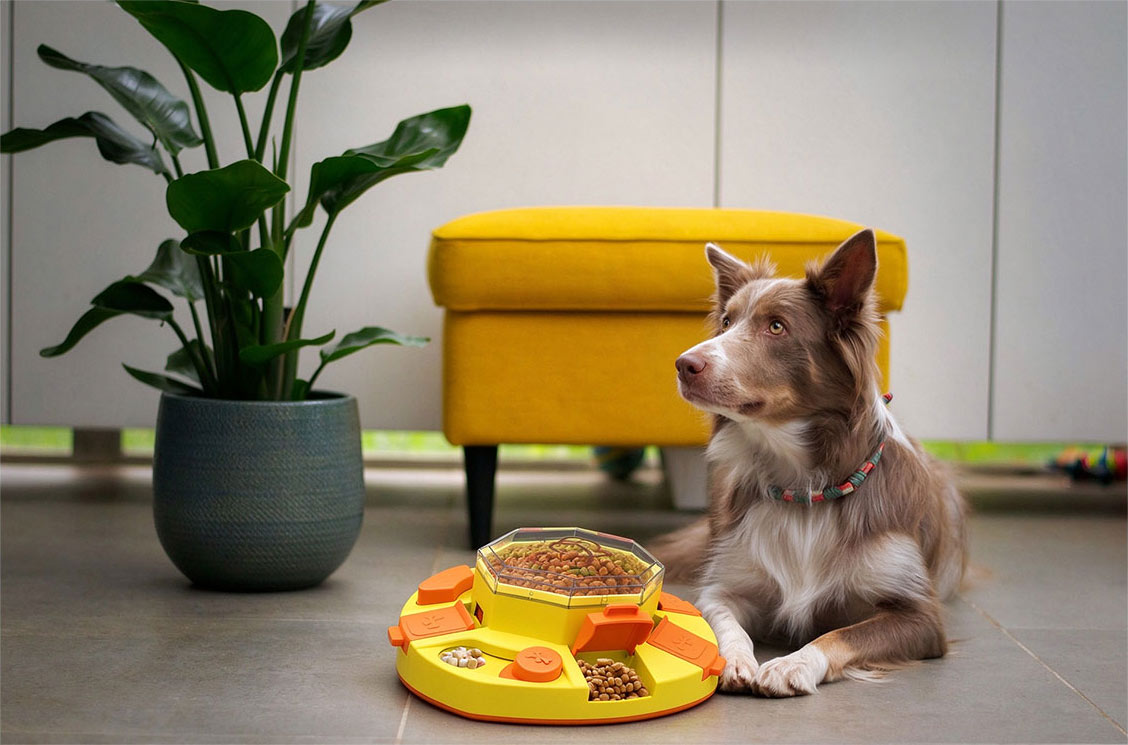
The cat toy market is split into three core product lines: natural plant-based items (catnip, silvervine and silvervine gall fruit); smart interactive toys including laser toys, automatic teaser wands and app-enabled toys; as well as solid wood & heavy-duty durable products such as scratching posts, cat trees and puzzle boards.
Smart cat toys represent the fastest-growing category. In China, the market size of this segment surpassed RMB 4.8 billion in 2025, with a year-on-year increase of 26.3%, and is projected to near RMB 6.2 billion in 2026. Mid-to-high-end models equipped with AI behavior recognition, remote interaction and multi-play functions already take up over 35% of this market segment.




 2nd Floor, Building 7, No.107 Fukang Road, Henggang Community, Henggang Subdistrict, Longgang, Shenzhen
Tel: +86 18948356478 (Cao Xirong)
Email: okqunywjl001@szaoqun.cn
Tel: +86 18926533478 (Ruan Jian)
Email: okqunywjl002@szaoqun.cn
Tel: +86 18928452887 (Xu Ruijie)
Email: xu771107@qq.com

 Get a Quote
 Home >
 Return List